


Modern Palestinian Cuisine: A Symbol of Resilience and Identity
- Amani

- Jul 27, 2025
- 3 min read
Continuing from our last post about the history of Palestinian food:

The 20th century brought immense challenges for the Palestinian people, including the displacement caused by the 1948 Arab-Israeli war, the ongoing Israeli occupation, and the fragmentation of Palestinian territories. Despite these challenges, Palestinian food remains a symbol of resilience and cultural identity. Meals continue to be prepared in the traditional way, with an emphasis on fresh, locally sourced ingredients and communal eating.
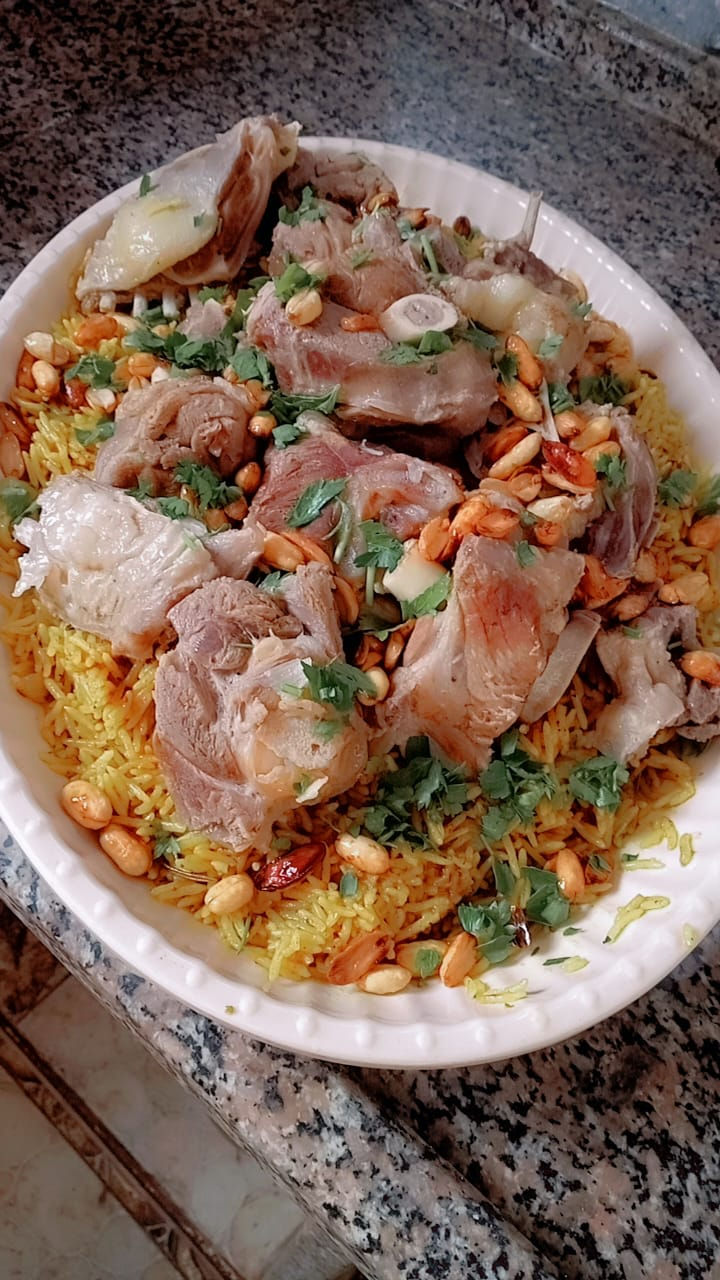
Dishes like maqluba (a layered rice dish with vegetables and meat), sfiha (meat-filled pastries), and tabbouleh (a refreshing salad made with parsley, tomatoes, and bulgur) are not only part of everyday life but also serve as a link to a shared past. Palestinian food has maintained its distinctiveness, despite the geopolitical forces that have sought to erase or alter the region’s cultural heritage.
One of the most iconic Palestinian dishes is hummus, a simple but flavorful dip made from mashed chickpeas, tahini, olive oil, garlic, and lemon. While its origins are debated, hummus has become a symbol of Palestinian pride and is enjoyed across the world. It is often served with freshly baked pita bread and is a staple at nearly every Palestinian table.
Another quintessential Palestinian food is falafel, a deep-fried ball made from ground chickpeas, herbs, and spices. Though it is found across the Arab world, falafel has become a beloved street food in Palestine, often served in pita with salad, pickles, and tahini sauce.
Food as Resistance: A Culinary Symbol of Palestinian Identity
Throughout the years, Palestinian food has transcended the realm of sustenance to become a powerful symbol of resistance and cultural preservation. In a world where Palestinian heritage has been under constant threat of erasure, food has played an integral role in asserting a distinct Palestinian identity. The act of cooking and sharing meals has become an act of defiance against displacement, occupation, and political struggles.
In recent years, Palestinian chefs and food activists have sought to elevate Palestinian cuisine on the global stage, showcasing its diversity and rich history. From food festivals to cookbooks, Palestinian food is being celebrated as an essential part of the world’s culinary heritage.
One prominent figure in this movement is Sami Tamimi, a Palestinian chef who co-authored the highly acclaimed cookbook Jerusalem with Yotam Ottolenghi. Tamimi has worked to highlight the significance of Palestinian food and its role in preserving cultural identity, even amidst the political turmoil of the region.

A Future of Culinary Heritage
The history of Palestinian food is not just about the past; it is a living tradition that continues
to evolve. As the world becomes more interconnected, the flavors of Palestine are reaching new audiences, and Palestinian food is gaining recognition as one of the most important and resilient cuisines in the Middle East. From the smoky aroma of grilled lamb to the sweet, comforting taste of knafeh, Palestinian food is a reflection of the enduring spirit of the Palestinian people.
Palestinian food represents more than just a series of dishes; it is a testament to the resilience, creativity, and history of a people whose culinary heritage continues to inspire and connect the world. Whether through the simplicity of hummus or the complexity of a slow-cooked maqluba, Palestinian food will remain a vital part of the story of the land, its people, and its struggles for generations to come.
Comments