


The History of Palestinian Food: A Culinary Journey Through Time
- Amani

- Jul 25, 2025
- 2 min read
Updated: Aug 8, 2025
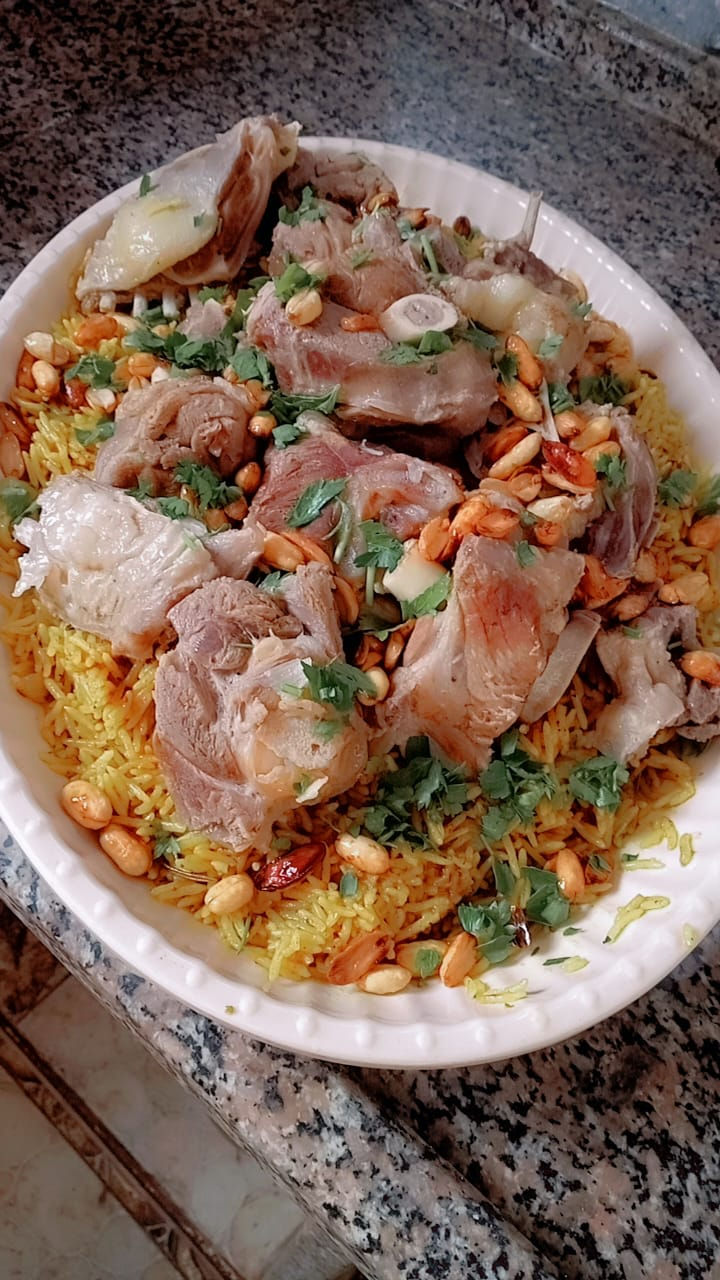
Palestinian food, a cornerstone of Levantine cuisine, is as rich in history and culture as the land it originates from. With its origins stretching back thousands of years, Palestinian food is an amalgamation of regional influences, ancient traditions, and local ingredients that have been passed down through generations. As a reflection of its diverse history, Palestinian cuisine is a vibrant mix of Mediterranean, Arabic, Turkish, and even North African flavors, showcasing a unique cultural identity that has survived centuries of political and social upheaval.
Ancient Roots: From the Land of Canaan to the Roman Empire
The history of Palestinian food can be traced to the ancient Canaanites, who lived in the region around 3,000 BCE. The fertile land between the Jordan River and the Mediterranean Sea provided an abundance of agricultural resources, making it an ideal location for growing a variety of grains, legumes, fruits, and vegetables. Early Palestinian dishes were based on staple crops such as wheat, barley, lentils, chickpeas, olives, and figs, which still feature prominently in modern Palestinian cooking.
In addition to local agricultural products, trade routes passing through Palestine introduced spices, herbs, and cooking techniques from distant lands. The ancient Egyptians, for example, contributed to the early use of garlic and onions in cooking, while the Greeks and Romans brought new varieties of vegetables and culinary practices. The Romans, in particular, influenced the development of Palestinian food, leaving their mark with dishes such as stews, breads, and the widespread use of olive oil.
The Arab Influence: A Golden Age of Flavor
In the 7th century, the Arab conquest of the Levant brought profound changes to Palestinian food culture. The introduction of Arabic spices such as cumin, coriander, and cinnamon, along with the proliferation of rice, lamb, and yogurt, laid the foundation for many classic Palestinian dishes. These ingredients became staples of the Palestinian diet, and traditional cooking methods like roasting, grilling, and slow-cooking were perfected during this period.
One of the most iconic dishes from this era is musakhan, a beloved Palestinian dish consisting of chicken, onions, sumac, and olive oil served on flatbread. Musakhan is deeply tied to Palestinian identity and is often prepared during special occasions, reflecting the agricultural significance of olive oil and sumac in Palestinian culture.

Ottoman Period: A Fusion of Culinary Traditions
During the Ottoman Empire’s rule over Palestine from the 16th to the early 20th century, Palestinian food continued to evolve, incorporating influences from Turkish, Persian, and Central Asian cuisines. The Ottomans brought new culinary techniques, such as the use of eggplant, and introduced ingredients like yogurt-based sauces and stuffed pastries. One of the most enduring contributions from this period is kebab—grilled meat skewers that are now a staple in Palestinian cooking.
The Ottoman Empire also facilitated the spread of sweets, such as baklava and knafeh, which were introduced through their imperial kitchens. These dishes, which combine flaky pastry, syrup, and nuts, have become integral to Palestinian celebrations and are often served during major holidays, weddings, and festive gatherings.

Comments